

Starting your programming journey can feel exciting, but also a little confusing—especially when you don’t know where to begin. The good news is that anyone can learn to code with the right approach, even if you have no technical background. Programming is simply the process of giving instructions to a computer, and today it’s one of the most valuable skills you can have. programming tips for beginners
Whether you want to build websites, create apps, explore data science, or improve your problem-solving skills, learning programming opens many opportunities. In this article, you’ll discover easy, practical, and beginner-friendly tips that will help you start your coding journey with confidence. These tips will guide you step-by-step so you can learn faster, avoid common mistakes, and enjoy the process.
Choose a Beginner-Friendly Programming Language
Choosing the right programming language is one of the most important steps for beginners. The language you start with can make your learning journey easier, smoother, and more enjoyable. Instead of trying to learn several languages at once, it’s better to begin with one simple, beginner-friendly option.
1. Python — The Easiest Choice for Beginners
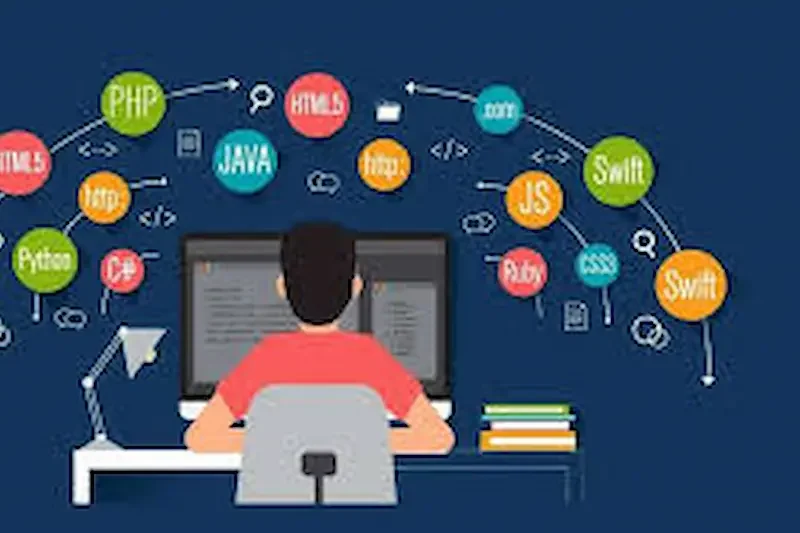
Python is often recommended as the best first language because:
- It has very simple and clean syntax
- It looks almost like English
- It’s used in many fields like web development, data science, automation, and AI
If you’re completely new to coding, Python is a great place to start.
2. JavaScript — Perfect for Web Development
JavaScript is the language of the web.
You should choose JavaScript if you want to:
- Build websites
- Create interactive web pages
- Work as a front-end or full-stack developer
It’s also a very beginner-friendly language once you learn the basics.
3. Java or C++ — Good for Strong Fundamentals
These languages are a bit harder, but very useful if you want to:
- Study programming in school or university
- Work in software engineering
- Learn strong computer science basics
They teach you how programming actually works behind the scenes.
Simple Tip for Beginners
Start with ONE language and practice it consistently.
Trying to learn many languages at the same time can confuse you and slow down your progress.
Practice Regularly programming tips for beginners
One of the most important habits for new programmers is regular practice. Programming is like learning a new language — the more you practice, the more confident and fluent you become. You don’t need to study for hours every day. Even small, consistent practice makes a huge difference.
1. Practice a Little Every Day
Instead of coding only once a week, try to practice:
- 15–30 minutes daily
- Or at least 3–4 times a week
This builds your skills faster and helps you remember what you learn.
2. Start With Simple Problems
If you’re a beginner, you don’t need to solve difficult challenges.
Begin with easy tasks like:
- Printing your name
- Adding two numbers
- Showing numbers from 1 to 10
- Checking if a number is even or odd
These simple exercises help you understand how code works.
3. Use Beginner-Friendly Practice Platforms
Here are some places where you can practice coding for free:
- HackerRank – Great for beginner challenges
- LeetCode (Easy section) – Good for basic problem-solving
- Code.org – Very simple and beginner-friendly
- Codecademy (free lessons) – Interactive practice
- FreeCodeCamp – Amazing free courses with hands-on practice
These platforms guide you step by step. programming tips for beginners
4. Try Rewriting Code
A great way to learn is to take a simple program and:
- Change the values
- Add new features
- Rewrite it in your own style
This helps you develop your own thinking style.
5. Don’t Worry About Making Mistakes
Every programmer, even experts, make mistakes. programming tips for beginners
Errors are normal. Mistakes help you understand how things work.
6. Make Practice Fun
You can practice by building things you enjoy:
- A calculator programming tips for beginners
- A small quiz game programming tips for beginners
- A random number generator programming tips for beginners
- A mini reminder app programming tips for beginners
Fun projects keep you motivated. programming tips for beginners
you may also like to read these posts;
Python Coding Tutorial for Beginners: Easy Step-by-Step Guide
Step by Step Programming Guide for Beginners
Java Programming Tutorial: Simple Guide for Beginners
Web Development Tutorial Guide: Step-by-Step for Beginners
Best Software Solutions Guide: Easy Tips & Strategies
Build Small and Simple Projects
Once you understand the basics, the best way to grow your programming skills is by building small projects. Projects help you connect everything you’ve learned and show you how real programs work. You don’t need to build something complicated — even the simplest projects teach you a lot. programming tips for beginners
1. Why Small Projects Matter
- They help you learn faster programming tips for beginners
- You apply what you learned in real situations
- You understand how different parts of code work together
- You gain confidence and motivation programming tips for beginners
- You create something you can actually use or show others
2. Beginner-Friendly Project Ideas
Here are some easy projects you can start with:
a) Calculator
A simple calculator that can add, subtract, multiply, and divide.
This helps you practice functions and user input. programming tips for beginners
b) To-Do List App
Let the user add tasks, mark them as complete, or delete them.
Great for learning lists, loops, and conditionals. programming tips for beginners
c) Guess the Number Game
The program picks a random number and the user tries to guess it.
Fun way to learn loops, conditionals, and randomness.
d) Basic Website
Create a homepage using HTML, CSS, and simple JavaScript.
Perfect for beginners interested in web development.
e) Temperature Converter
Convert Celsius to Fahrenheit or vice versa.
Helps you practice basic math and input handling.
3. Start Small and Grow Slowly
Don’t try to build big apps in the beginning. programming tips for beginners
Start with a very simple version, then add features step by step.
Example:
- Build a calculator that only adds numbers
- Then add subtraction programming tips for beginners
- Then add multiplication and division
- Then make it look better with a simple interface
4. Learn While Building
You will learn many useful skills while making projects:
- Planning your code programming tips for beginners
- Fixing errors programming tips for beginners
- Combining different programming concepts
- Writing cleaner and more organized code
5. Don’t Compare Your Projects to Others
Everyone learns at their own pace. programming tips for beginners
Focus on building things you enjoy — that’s what keeps you motivated.
Understand and Read Error Messages
Beginners often get scared when they see an error message — but errors are actually your best teachers in programming. Every programmer, even experts, sees errors every single day. The key is learning how to understand them instead of fearing them.
1. Errors Are Normal
Errors don’t mean you’re bad at programming.
They simply tell you:
- Something is missing
- Something is written incorrectly
- Something is not in the right place
Think of errors as hints that guide you toward the correct solution.
2. Read Error Messages Slowly
When an error appears:
- Don’t panic
- Read the message carefully
- Look for clues like line numbers or missing symbols
Most error messages tell you exactly where the problem is.
3. Common Beginner Errors
Here are some mistakes beginners often make:
- Misspelling a variable name
- Forgetting quotation marks around text
- Missing brackets or parentheses
- Using the wrong data type
- Incorrect indentation (especially in Python)
These errors are very common and easy to fix once you understand them.
4. Use Search Engines to Help
If you don’t understand an error message, copy it and search it online.
Thousands of people have faced the same issue, and you’ll find solutions quickly.
Search example:
“Python TypeError: unsupported operand type(s)”
You will see explanations, examples, and fixes instantly.
5. Learn to Debug Step by Step
Debugging means finding and fixing mistakes in your code.
A simple debugging method:
- Identify the line with the error
- Read the error message carefully
- Print values to check what’s happening
- Fix one thing at a time
- Test your code again
6. Errors Make You a Better Programmer
Every error you fix improves your understanding.
Over time, you will:
- Troubleshoot faster
- Recognize common mistakes easily
- Write cleaner and more accurate code
Which programming language should beginners start with?
Most beginners start with Python because it’s easy to read and versatile. JavaScript is also a great option if you want to build websites.
How many hours should I practice programming daily?
Practice for 1–2 hours a day. Consistency is more important than long study sessions.
Do I need a powerful laptop to start programming?
No. Any basic laptop with internet access is enough for learning programming and writing beginner-level code.
How long does it take to learn programming?
It depends on your consistency. With daily practice, beginners usually see good progress in 3–6 months.
Why do I keep getting errors in my code?
Errors are normal! Beginners often make small mistakes like missing brackets or typing wrong variable names. Reading error messages carefully helps you fix them.
Should I watch tutorials or read documentation?
Both help. Tutorials teach concepts quickly, while documentation gives accurate and detailed information when you’re coding.
How do I stay motivated to learn programming?
Start with small projects you enjoy—like calculators, mini games, or simple websites. Completing small tasks keeps you motivated.
Conclusion
Learning programming may seem challenging at first, but with patience, practice, and the right approach, anyone can become a confident coder. By choosing a beginner-friendly language, understanding the basic concepts, practicing regularly, building small projects, reading error messages carefully, and asking for help when needed, you can make steady progress.
Remember, programming is a skill that grows over time. Celebrate your small wins, stay curious, and keep experimenting. Every line of code you write brings you closer to becoming a skilled programmer. The key is consistency, persistence, and enjoying the learning journey.
Start today, and don’t give up—your coding journey has just begun!


